Not the Career You Pictured
Drop the outdated stereotypes. Construction is fast becoming a top choice for career-changers, college grads looking to avoid debt, and women entering technical crafts.
- 11%+ Women in Trades: Nationally, women represent over 11% of the construction workforce—growing for ten consecutive years
- 30% Surge in Training: Interest from women joining trade training programs has jumped over 30% since 2020.
- Roles for Every Strengths:
- Detail-Oriented & Precise: Plan and inspect projects as estimators or building inspectors.
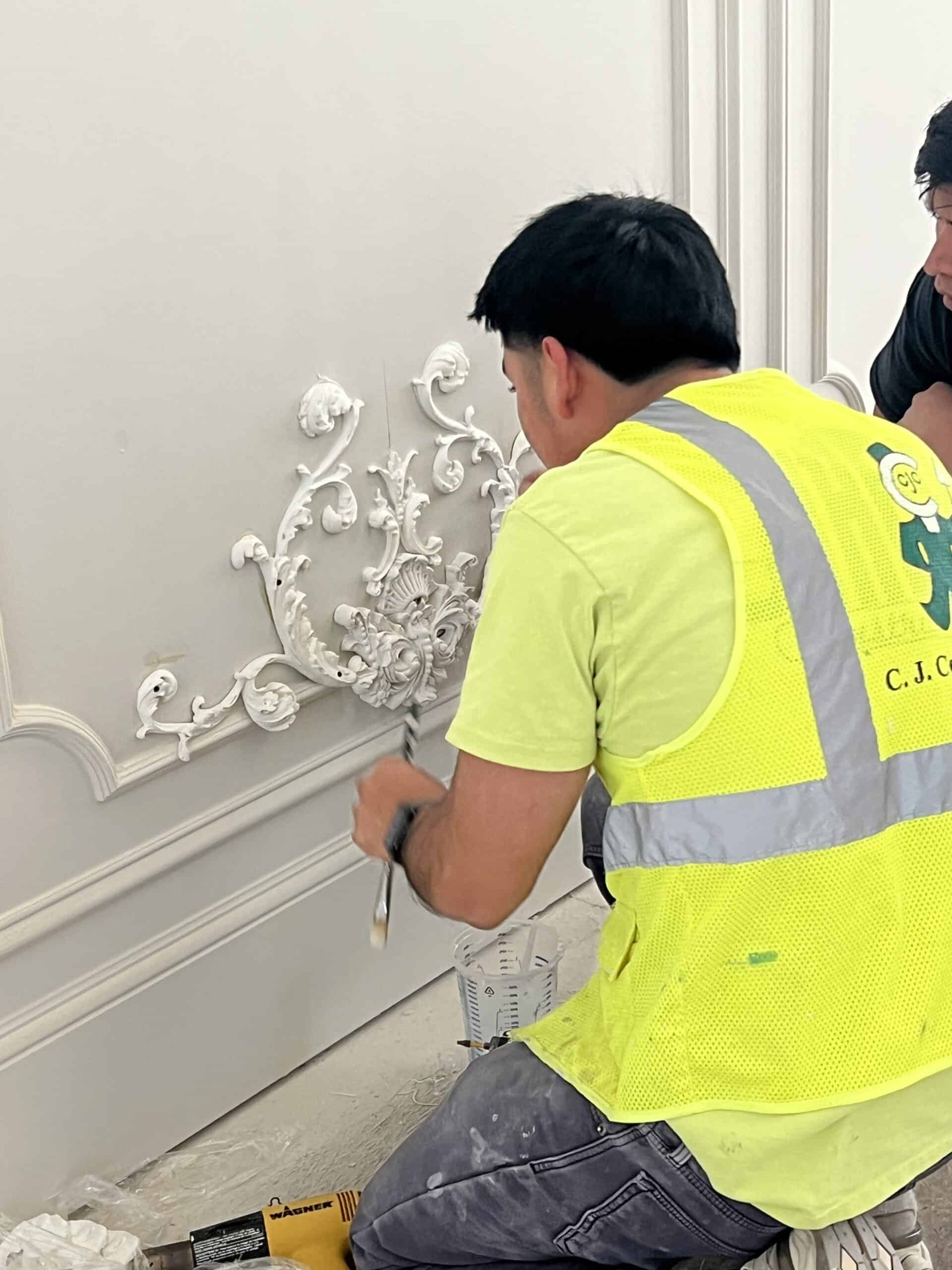
- Creative & Hands-On: Build with craftsmanship through masonry, millwork, and finish carpentry.
- Tech & Digital: Model projects in 3D using spatial problem-solving software as a BIM/VDC technician.
Trades You’ve Never Heard Of (and What They Pay)
Electricians and plumbers get all the attention, but some of the best-paying, least-crowded roles in construction rarely make the list:
The highest-paid trade in the industry, with a national median around $106,000 a year and top earners past $130,000, typically reached through a paid apprenticeship, not a degree.
Builds the 3D digital models contractors use to plan a project before ground is broken — a fit for people who like software and spatial problem-solving.
Installs the glass systems that define the region’s commercial skyline, with a shorter training path than most trades.
Commands premium pay for precision and calm under pressure; certification is achievable in months, not years.
Detail-driven and less physically demanding, with a national median above $74,000.
One of the region’s fastest-growing crafts as demand for electrical and energy skills accelerates.
These sit alongside the trades most people already know — electrical, HVAC/R, plumbing, welding, and carpentry — all still in serious, sustained demand across Northern Virginia.
Built for People Starting Over
Construction may be the most realistic “start over” industry available. A registered apprenticeship pays you from day one — typically $17 to $22 an hour — while you train toward a credential that costs little or nothing out of pocket.
Graduates go on to earn an average of $86,000 a year, roughly $20,000 more than the average four-year college grad, without the debt. Skills from a previous career rarely go to waste: project management, customer service, and logistics all transfer directly into estimating, scheduling, and site supervision roles.
The Numbers Behind the Opportunity
Local Pathways, From Loudoun to Stafford to DC
You don’t have to leave the region to train for a career in it. Programs and entry points are active across the NV3C footprint:
Fairfax County:
FCPS Adult and Community Education (ACE) offers apprenticeship tracks in electrical, HVAC/R, and plumbing.
Prince William, Arlington & Loudoun
NOVA’s FastForward credential programs and the Northern Virginia Building Trades Apprenticeships connect residents to paid, earn-while-you-learn training.
Alexandria
Regional workforce partners link residents to registered and pre-apprenticeship readiness programs.
Stafford & Fauquier
Germanna & Laurel Ridge Community Colleges’ workforce divisions serves the greater Fredericksburg corridor and offer training and education for in demand careers. FastForward credential programs reduce cost by 2/3’s to Virginia residents.
Clarke & Frederick
Laurel Ridge Community College supports trade credentialing for the Winchester region.
Region-Wide
Associated Builders & Contractors of Virginia, the Heavy Construction Contractors Association (HCCA) and Unions are additional providers for employer-sponsored training to meet the demand for skill development in the industry.
Something You Can Point To
Ask anyone a few years into the trades why they stayed, and the answer is rarely just the paycheck. It’s the drive past a school, a hospital, a bridge, and being able to say, “I built that.” It’s watching skill turn into mastery, and mastery into leadership — apprentice to journey-level to supervisor to business owner. In an economy full of invisible work, construction still hands you something solid at the end of the day.
Ready to build your future?