Skilled Trade Apprenticeships: Building Virginia’s Workforce for the Future
The construction industry is experiencing unprecedented demand for skilled craft professionals. From data centers and advanced manufacturing facilities to schools, hospitals, roads, and commercial buildings, the need for qualified electricians, plumbers, HVAC technicians, sheet metal workers, carpenters, pipefitters, welders, and other skilled tradespeople continues to grow. As experienced workers retire and construction investments increase, employers across the country are seeking new ways to attract, train, and retain talent. One proven solution is the registered apprenticeship model. [abc.org], [agc.org]
According to Associated Builders and Contractors (ABC), the construction industry needed to attract approximately 439,000 net new workers in 2025 to meet anticipated demand, with even greater workforce needs projected in subsequent years. At the same time, Associated General Contractors of America (AGC) reports that 88% of construction firms have openings for craft workers, and most firms continue to struggle to find qualified candidates to fill those positions. [abc.org], [agc.org]
What Is an Apprenticeship?
An apprenticeship is a structured workforce training program that combines paid employment with technical education. Unlike traditional education pathways, apprentices earn a paycheck while learning a skilled trade and progressing toward industry-recognized credentials.
Registered apprenticeships are designed to help individuals develop the knowledge, skills, and competencies needed to become highly skilled craft professionals. Upon completion, apprentices receive a nationally recognized credential that demonstrates mastery of their occupation and enhances long-term career opportunities. Apprenticeships benefit both the apprentice and the employer by creating a direct pathway from training to employment. [agc.org], [nccer.org]
Understanding On-the-Job Training (OJT)
A key component of every apprenticeship is On-the-Job Training (OJT).
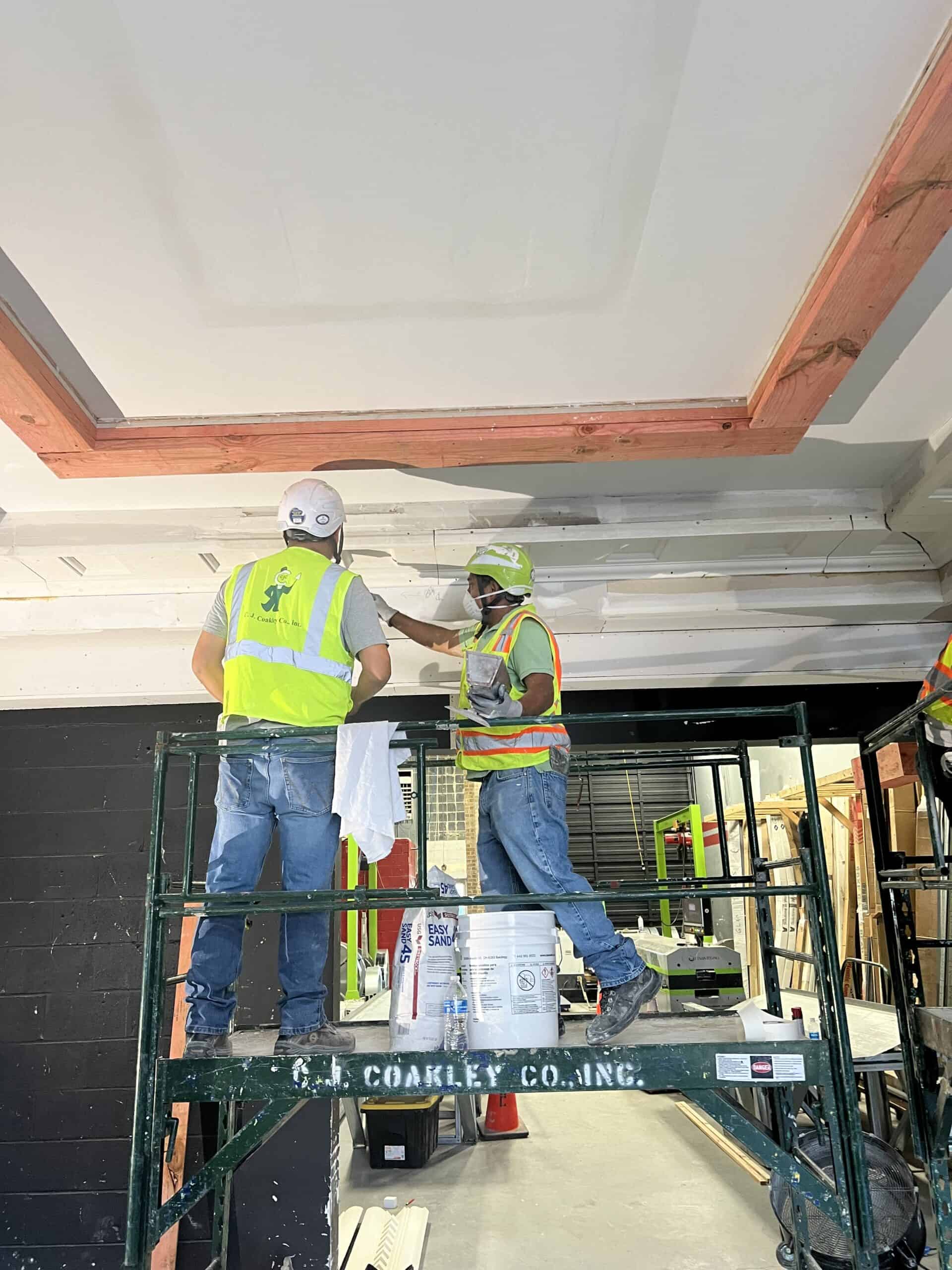
On-the-Job Training occurs at the employer’s worksite, where apprentices learn directly from experienced journey-level professionals. Apprentices develop practical skills by performing real work under supervision while progressively increasing their responsibilities and competencies. For example, an electrical apprentice may begin by learning basic safety procedures and material handling before advancing to conduit installation, wiring systems, and equipment troubleshooting.
OJT allows apprentices to gain hands-on experience in actual work environments while earning wages that often increase as they achieve training milestones. This “earn while you learn” model is one of the primary reasons apprenticeships have become an increasingly attractive alternative to traditional education pathways. [nccer.org], [agc.org]
Understanding Related Technical Instruction (RTI)
In addition to hands-on field experience, apprentices complete Related Technical Instruction (RTI).
RTI provides the classroom or instructional component of apprenticeship training. Courses may include topics such as:
- Construction safety
- Blueprint reading
- Electrical theory
- Building codes
- Mathematics for construction
- Welding techniques
- HVAC systems
- Project documentation
- Industry technology and equipment
- Together, these organizations provide flexible pathways for individuals pursuing skilled trade careers while helping employers meet workforce demands.
Why Apprenticeships Matter
Apprenticeships provide significant benefits for individuals, employers, and communities.
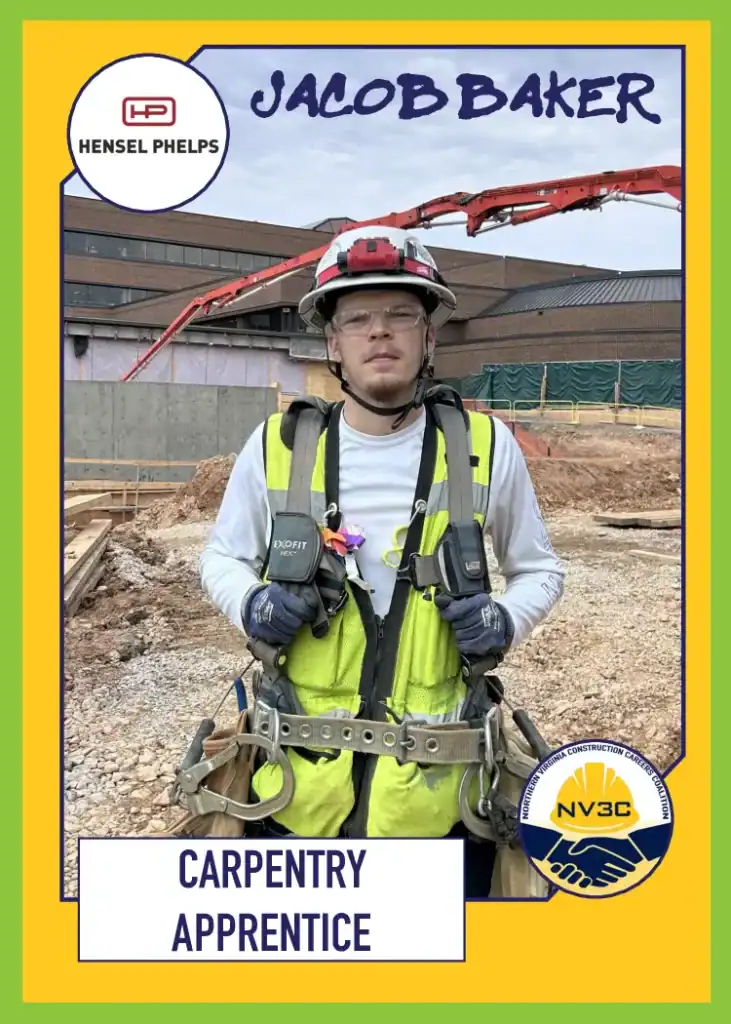
For individuals, apprenticeships offer a debt-free pathway to a rewarding career, competitive wages, and opportunities for advancement. For employers, apprenticeships create a reliable talent pipeline, improve employee retention, and help transfer knowledge from experienced workers to the next generation.
The need for these programs has never been greater. AGC’s workforce research found that 83% of firms with craft openings report positions are as difficult or more difficult to fill than they were a year ago, while 57% of firms say available candidates lack the necessary skills, certifications, or qualifications needed for construction careers. [agc.org], [agc.org]
These workforce shortages have real consequences. AGC reports that labor shortages are among the leading causes of construction project delays nationwide, impacting schedules, costs, and economic growth. [agc.org], [nccer.org]
Related Technical Instruction (RTI) Providers in Northern Virginia
Northern Virginia offers numerous high-quality training partners that support apprenticeship programs through Related Technical Instruction.
One of the region’s most recognized providers is the Associated Builders and Contractors (ABC) Virginia Chapter, which delivers comprehensive craft training and apprenticeship education in several skilled trades. ABC’s apprenticeship programs combine classroom education with employer-sponsored work experience, helping apprentices develop the knowledge and skills needed for long-term success in construction careers.
Additional RTI providers may include:
- Germanna Community College
- Laurel Ridge Community College
- Northern Virginia Community College (NOVA)
- Career and Technical Education (CTE) programs operated by local school divisions
- Trade association training centers
- Industry-specific workforce training organizations
- Employer-sponsored training academies
- Trade specific Unions for specialized crafts (Electrical, Plumbing, Steamfitters, Operators, Carpenters, and many more)
Together, these organizations, and many more, provide flexible pathways for individuals pursuing skilled trade careers while helping employers meet workforce demands.
Building the Next Generation of Craft Professionals
As demand for construction talent continues to rise, apprenticeships are becoming one of the most important workforce development strategies available. By combining paid employment, structured training, technical education, and credential attainment, apprenticeships create opportunities for individuals to launch rewarding careers while helping employers address critical labor shortages.
For Virginia’s construction industry, apprenticeships are not just a training program—they are an investment in the future workforce that will build the communities, infrastructure, and facilities that support economic growth for generations to come.

