Wherever You’re Starting, There’s a Way In
Straight from high school — field roles.
Entry-level positions like general laborer, helper, or equipment operator trainee let you start earning immediately while you learn safety practices and basic construction skills on real jobsites.
Straight from high school — apprenticeship.
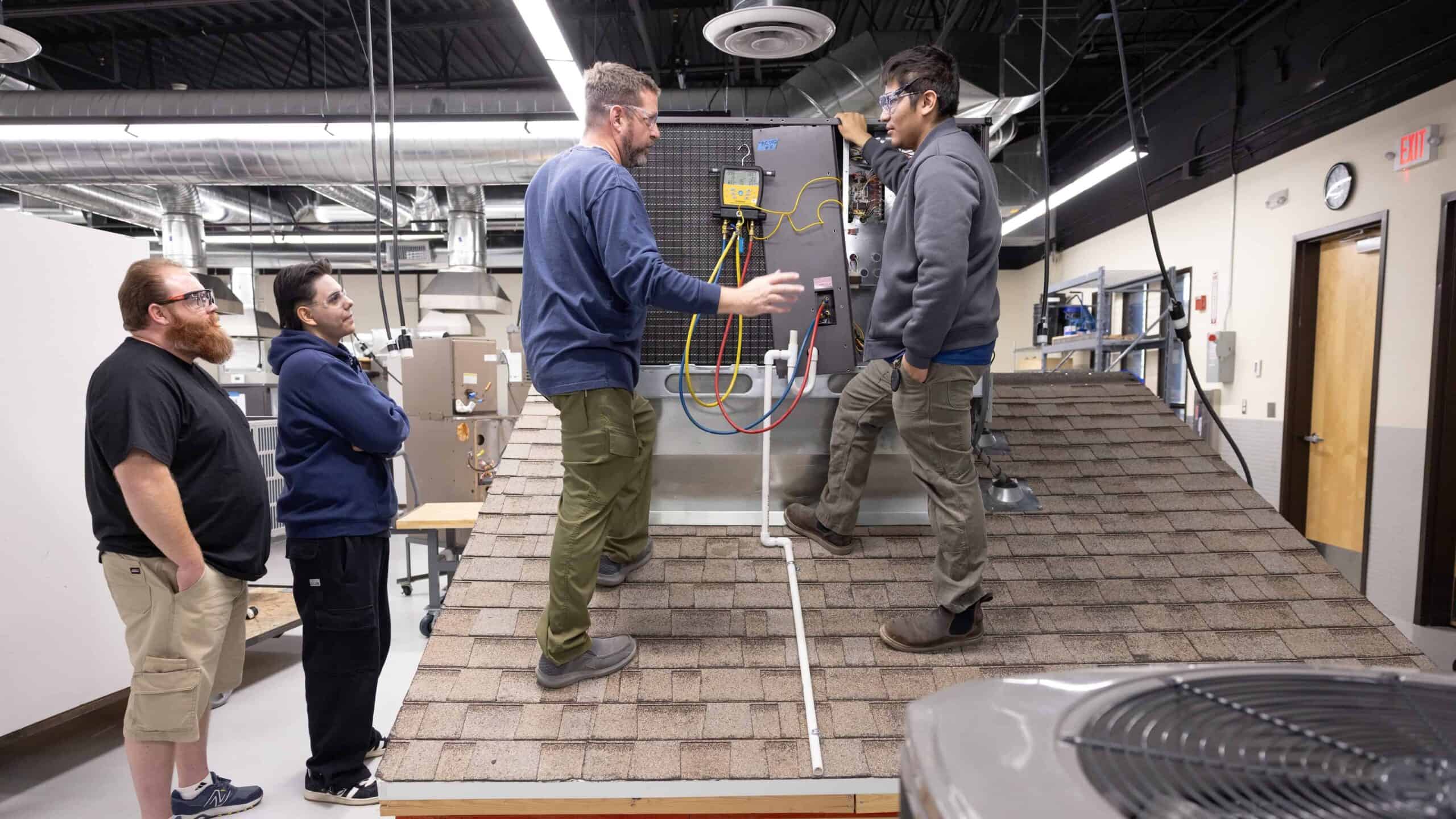
Straight from high school — apprenticeship. Registered apprenticeships combine paid, on-the-job training with classroom instruction, preparing you for a skilled trade — electrician, plumber, carpenter, HVAC technician — and building toward industry certification and higher wages from year one.
From college — internship to career.
Students studying construction management, engineering, or related fields can gain real jobsite experience through internships during school, applying classroom knowledge, building a professional network, and — often — turning that internship directly into a full-time offer at graduation into roles like project engineer, estimator, scheduler, or assistant project manager.
Mid-career switch.
If you’re coming from another field, your experience isn’t starting from zero. Project coordination, customer service, logistics, and management experience transfer directly into roles like site supervisor, safety coordinator, project coordinator, or skilled-trades trainee — often through accelerated training programs and certifications built for people who’ve already spent years managing people, budgets, or schedules.
The Ladder Doesn’t Stop at Journeyman
You don’t have to choose your ceiling on day one. Most people who build a long career in the trades didn’t plan the whole ladder in advance — they took the next rung when it appeared.
Construction is one of the few industries where the entire career ladder is visible from day one, and where every rung is a real raise. A typical path looks like:
Apprentice (Years 1–5)
Paid, structured training combining fieldwork with classroom instruction.
Journeyman (Years 4+)
Licensed to work independently, with wages climbing significantly.
Foreman / Master Tradesperson
About 1 in 5 journeymen move into foreman roles within five years, overseeing crews and schedules.
Superintendent, Estimator, or Project Manager
Technical expertise translates into overseeing full projects, bidding work, or managing budgets and client relationships.
Business Owner
Roughly 1 in 5 tradespeople eventually start their own contracting business — one of the most accessible paths to ownership in the American economy.
Local Pathways, From Loudoun to Stafford
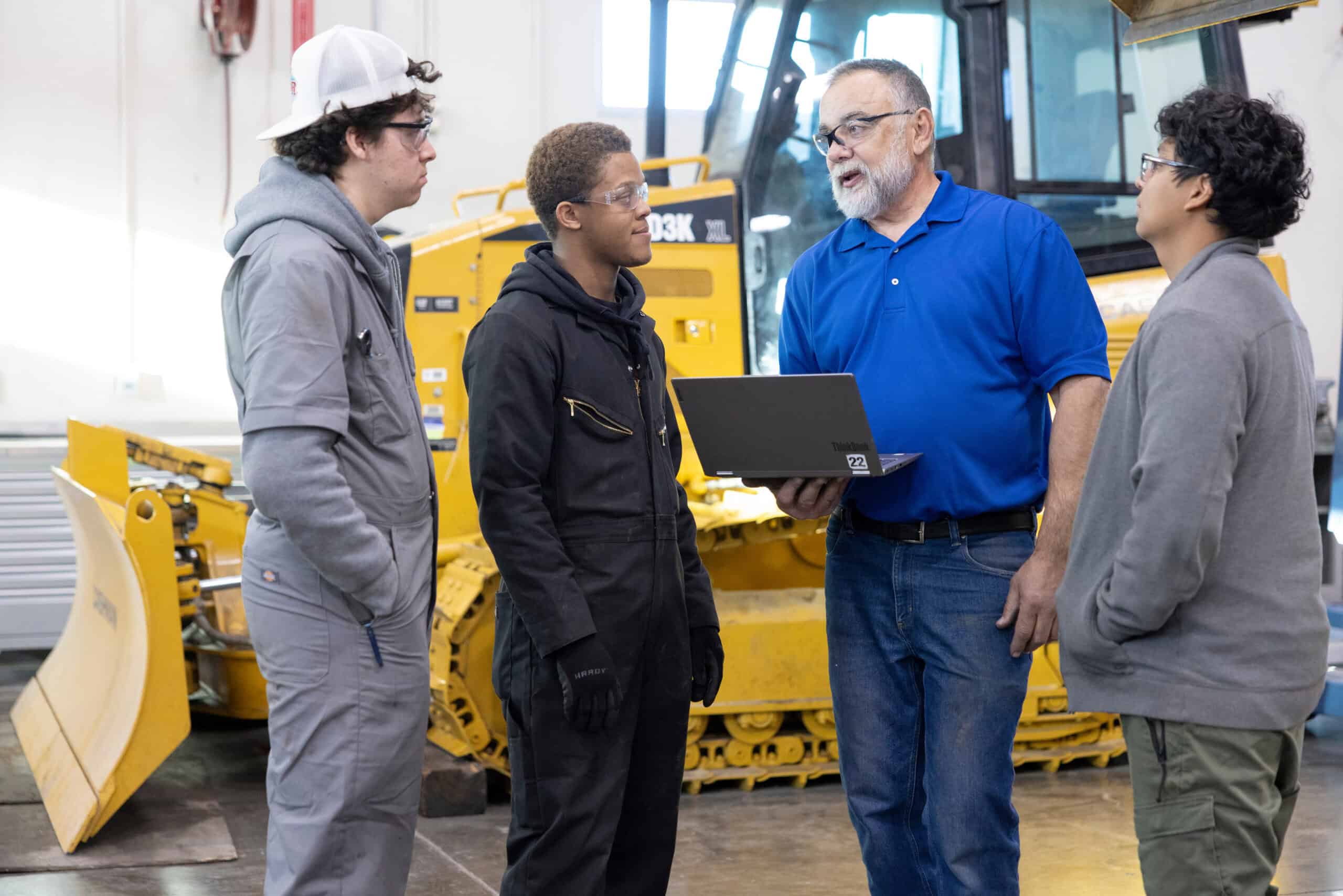
You don’t have to leave the region to train for a career in it. Programs and entry points are active across the NV3C footprint:
- Fairfax County: FCPS Adult and Community Education (ACE) offers apprenticeship tracks in electrical, HVAC/R, and plumbing.
- Prince William, Arlington & Loudoun: NOVA’s FastForward credential programs and the Northern Virginia Building Trades Apprenticeships connect residents to paid, earn-while-you-learn training.
- Alexandria: regional workforce partners link residents to registered and pre-apprenticeship readiness programs.
- Stafford & Fauquier: Germanna Community College’s workforce division serves the greater Fredericksburg corridor.
- Clarke & Frederick: Laurel Ridge Community College supports trade credentialing for the Winchester region.
- Region-wide: ABC Virginia and the Heavy Construction Contractors Association (HCCA) run employer-sponsored apprenticeships placing candidates directly with contractors.
Every Step Is a Step Up
Wherever you start, you’re not starting over — you’re starting somewhere with a clear next step. That’s the difference between construction and so many other industries: the path forward isn’t a mystery, and someone nearby has already walked it and can show you the way.